
AI may lower the barriers to creating games while raising the barriers to making a living from them.
Artificial intelligence is changing how games are made. Concept art, 3D modeling, animation and programming are becoming increasingly automated, promising faster production, lower costs and smaller teams capable of achieving more. But what does this mean for the people who actually create the games?
Every experienced developer was once a beginner. Junior artists learn through repetitive production tasks, animators develop their skills through technical work, and programmers gradually build experience by solving problems. These are often the very tasks AI is beginning to automate. If studios need fewer junior employees, where will the next generation of experienced developers come from?
Increased productivity could mean shorter working hours, greater creative freedom and better working conditions. But under business models where ownership and decision-making are concentrated among a few, it could just as easily mean fewer jobs and greater profits for those at the top, while the people creating the games struggle to make a living. The problem isn't necessarily the technology itself, but who controls it and who benefits from the wealth it generates.
For independent developers, AI presents an interesting opportunity. Small teams could create ambitious games without enormous budgets or dependence on major publishers. But could this also open the door to more democratic ways of working? Studios owned collectively by their developers, where decisions are shared and profits are distributed more fairly, might become increasingly viable as production costs fall.
Yet there's a paradox. If everyone can make games faster and cheaper, an already crowded market could become even harder to survive in. Independent studios may gain the tools to compete with major companies while struggling more than ever to find an audience.
Perhaps the real promise of AI isn't simply producing more games with fewer people, but creating an industry where more people have the freedom to make games—and a fair share in the value they create.
AI could either strengthen an industry where wealth and power are concentrated at the top, or help build a more democratic future for independent creators. The technology alone won't decide which.
Could AI become a tool for creative independence and shared prosperity, or will it simply make the rich richer while everyone else competes for less? What do you think?
There are already examples of more democratic business models succeeding at scale. Spain's Mondragon, a federation of worker cooperatives, demonstrates that shared ownership, democratic decision-making and commercial success aren't mutually exclusive. Could independent game studios take inspiration from this model? With AI potentially reducing production costs, perhaps smaller, collectively owned studios could give developers greater control over their work and a fairer share of the wealth they create.
Credits
- Co-author · Chat GPT
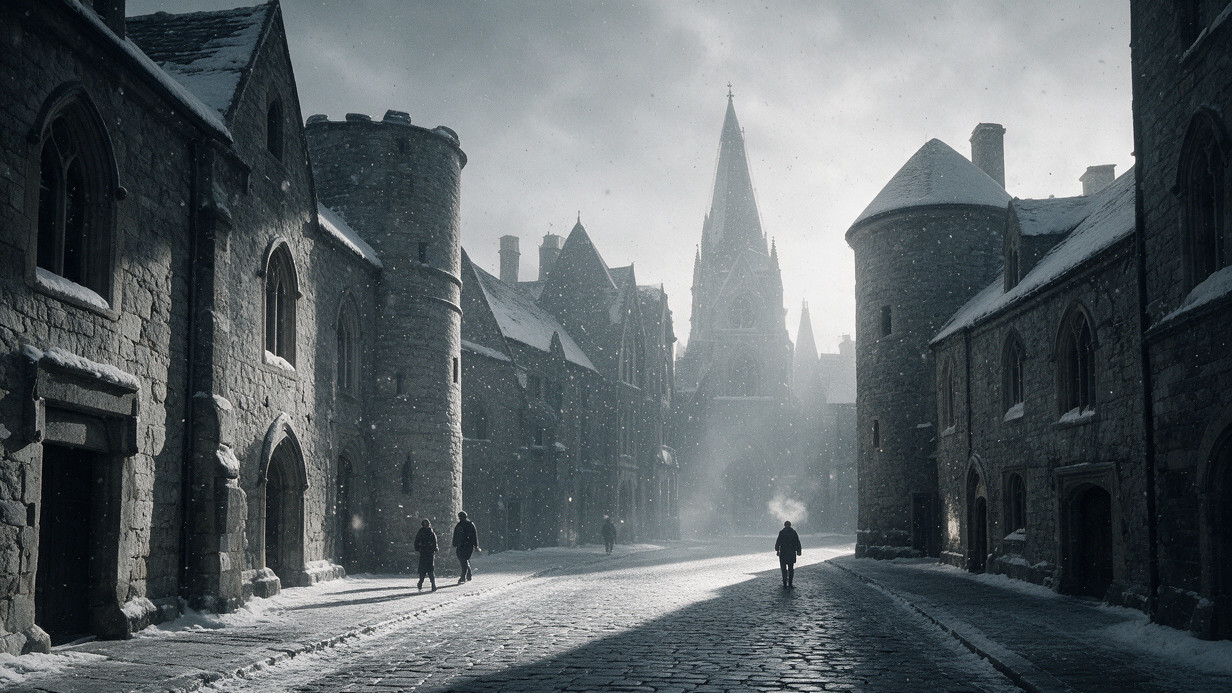
- Illustration · Seedream 5.0 Pro Ultra