
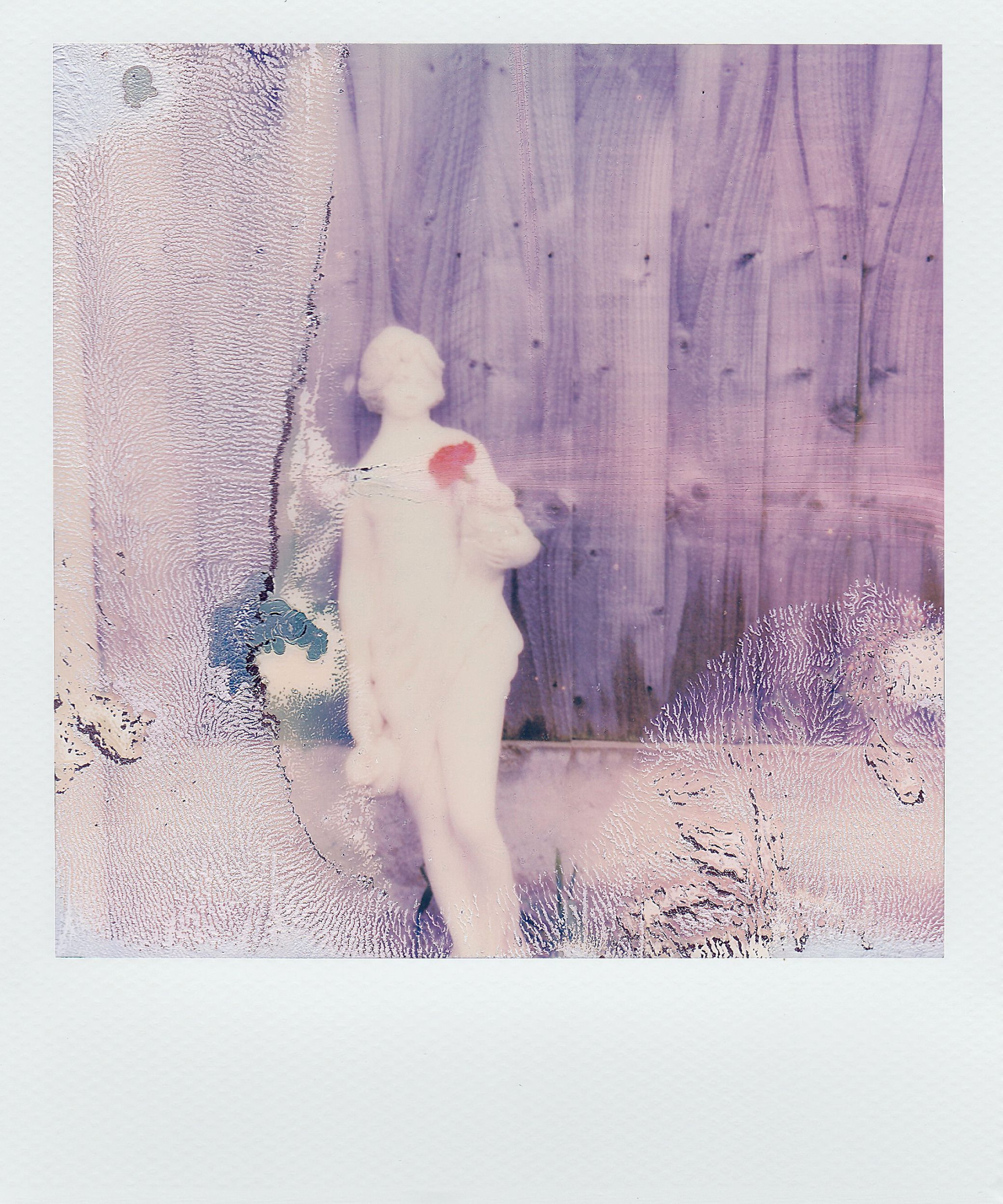
For decades, lens manufacturers have pursued optical perfection. Sharper images, less distortion, fewer aberrations. Today, photographers and filmmakers are rediscovering lenses that were once considered technically inferior.
Vintage lenses such as the Helios 44 are celebrated for their swirling bokeh, unusual rendering and optical imperfections. Characteristics that engineers once tried to eliminate have become the very reasons people seek them out.
Why?
A perfectly sharp image isn't necessarily a compelling one. Sometimes it's the softness, unexpected flare, distorted edges or unusual background blur that gives a photograph its atmosphere.
These characteristics introduce an element of unpredictability. Light interacts with imperfect glass, producing results that aren't always entirely under the photographer's control.
The imperfections become part of the creative process rather than obstacles to overcome.
And perhaps this tells us something about how we experience art more generally.
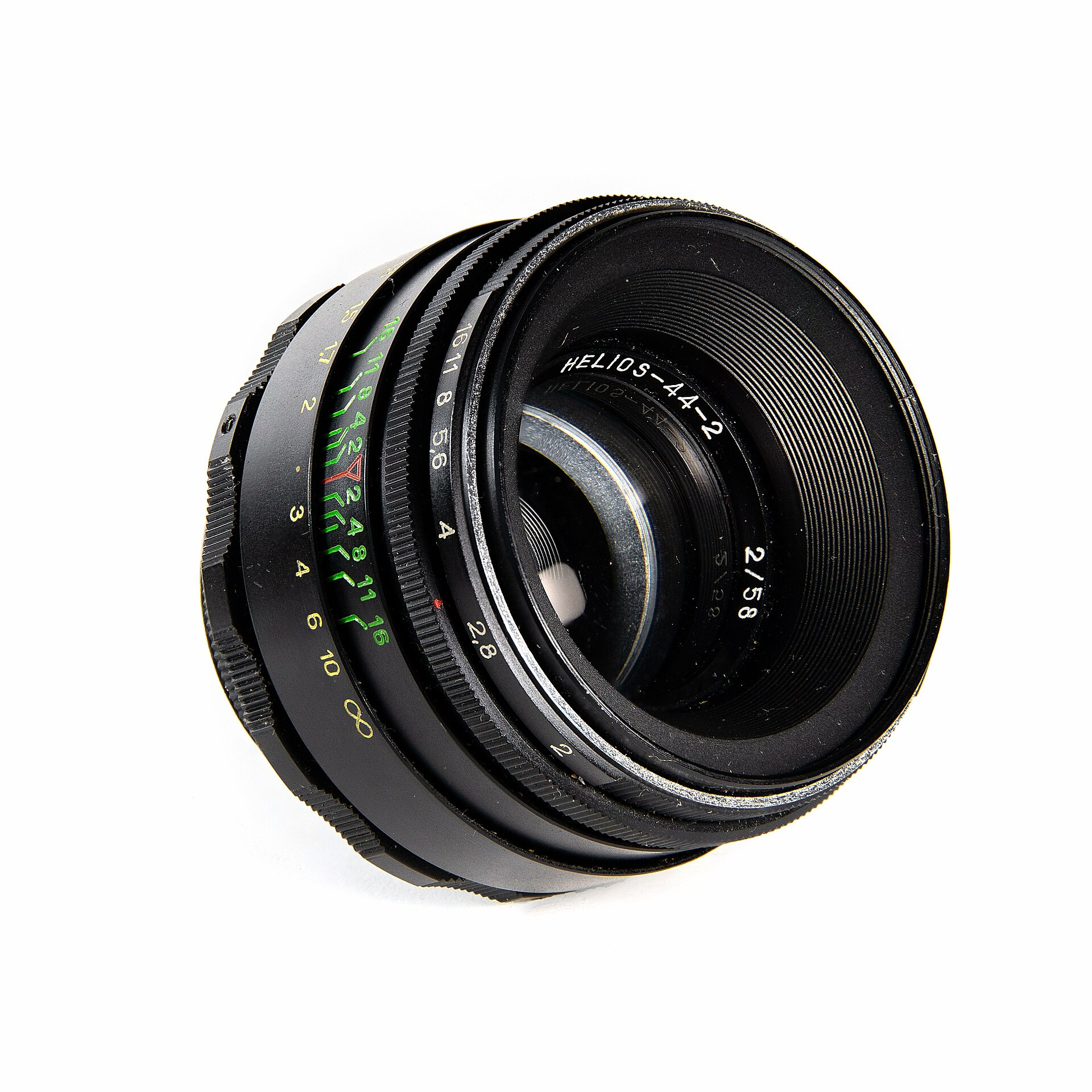
https://www.lomography.com/lenses/3108-helios-44-2/photos
Artificial intelligence can now produce remarkably polished imagery almost instantly. It can also simulate the imperfections of vintage photography: film grain, lens distortion, chromatic aberration and the distinctive bokeh of old optics.
This opens exciting creative possibilities. But it also raises an interesting question: if imperfections can be reproduced perfectly, what makes them meaningful?
A photograph taken through an old lens captures an actual encounter between light, glass, a photographer and a moment in time. AI can recreate the appearance of that encounter without the encounter itself.
Neither approach is automatically more artistic. But they represent different creative experiences.
Of course, imperfections alone don't create authenticity. Adding film grain or simulated lens flare doesn't automatically make an image interesting. And using AI doesn't necessarily make a work less creative.
What matters is the intention, curiosity and perspective behind it.
Perhaps the growing fascination with vintage lenses reflects something larger: a desire for images that feel distinctive rather than merely flawless.
As technology makes perfection increasingly accessible, we may begin to value originality, experimentation and unexpected results even more.
Maybe the future of visual creativity isn't about achieving perfect images, but discovering which imperfections are worth keeping.
What do you think? Can an AI-generated imperfection carry the same artistic value as one created by real light passing through imperfect glass?
Credits
- Photography · Lisa Fotios
- Co-author · Chat-GPT